Phyllis Nutkis
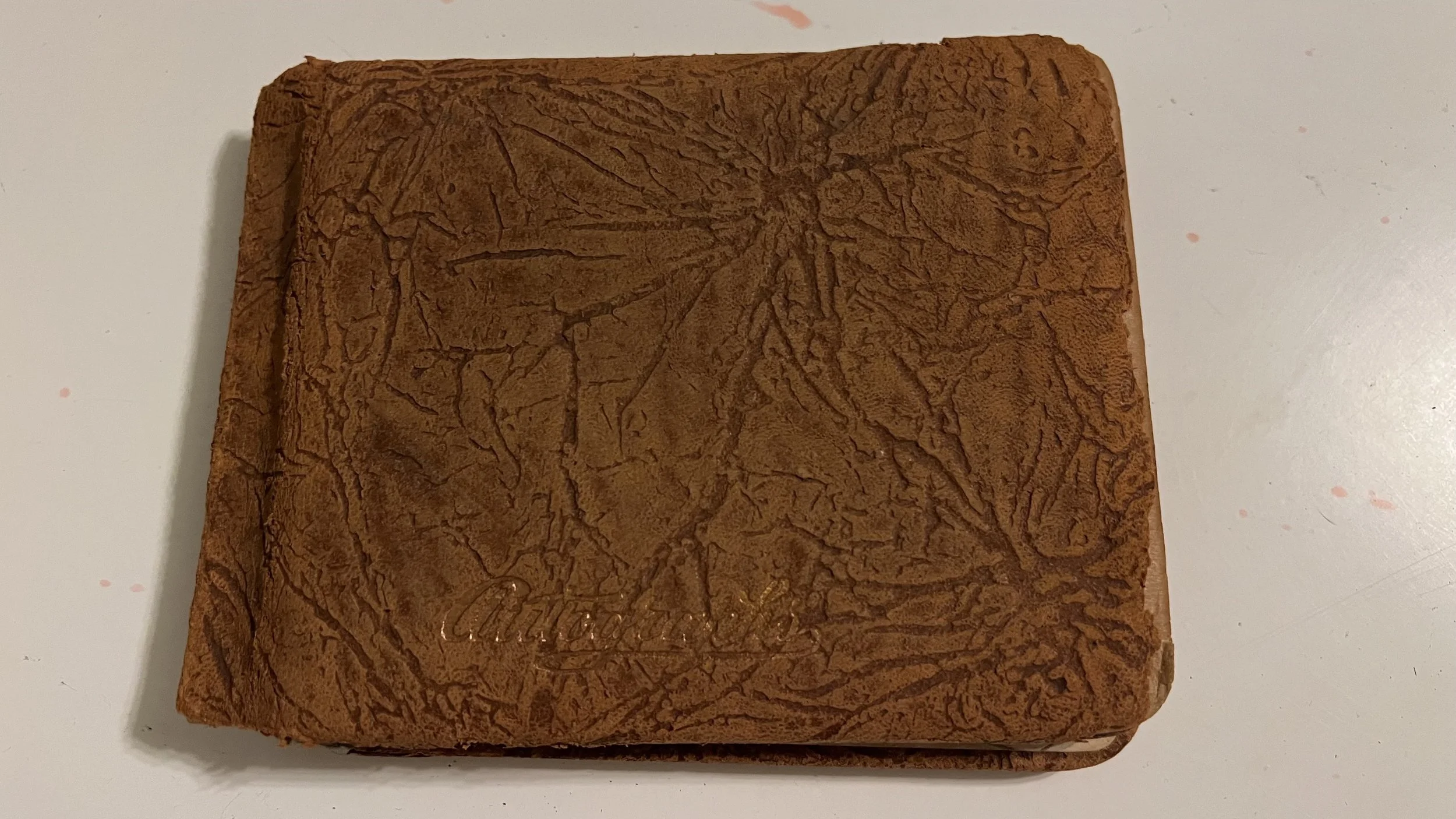
“Dear Wini, I really don’t see why I have to sign this. You can’t get rid of me that way. Love, Sylvia.”
This is one of many signatures in my mother’s autograph book from Wadleigh High School in New York City, Class of 1939. Most of the other messages from these long-forgotten classmates are written in elegant cursive and often contain platitudes:
“May you be successful in all your undertakings.”
Some are in verse and reflect the expectations for women at the time:
“Twins are bad, triplets are worse; sleep alone for safety first.”
But there was something else interesting. I noticed that several of the messages contained references to “A.S.U.”
“May your life be A.S.U. like it”
“Success to the A.S.U. Chapter of Wadleigh High School”
What could this be? Not Arizona State University, or Alabama or Arkansas, either (my New York-born mother never even got west of New Jersey until she was in her 40’s.)
After much Googling, I found that “A.S.U” was the “American Student Union,” a left-wing political group founded in 1935, that opposed fascism and advocated for labor unions, civil rights, and academic freedom.
This made perfect sense: activism was in my mother’s blood. Even before she was born, her parents were social activists, volunteering with organizations serving immigrants and the poor. Beginning in her teen years, my mother (later accompanied by my father) frequently attended protests and demonstrations for a variety of liberal political causes and volunteered for various organizations. For years, they worked with a fair-housing agency, posing as home buyers in neighborhoods where Black families had been denied homes, thus exposing housing discrimination.
My mother had a particular animosity for government hypocrisy and corruption. She was continually involved in political campaigns and wrote countless Letters to the Editor of the New York Times and our local newspaper. These issues became quite personal during the McCarthy years, when many Americans were investigated for “subversive activities” and suspected Communist leanings.
My father—an engineer with ABC Television, and an amateur radio hobbyist---was subpoenaed to testify before HUAC (the House Un-American Activities Committee), where he invoked his Fifth Amendment rights and refused to answer questions (or “name names”). A few years later, when he attempted to renew his radio license, the FCC requested that he sign a “loyalty oath.” When he refused, the FCC suspended his license. He sued, and the case went all the way to the Supreme Court before the FCC finally backed down (a day before the Court was scheduled to hear his case) and issued his license.
For my parents, this was a huge victory. More than just the winning of this particular battle, it was an important contribution to the decline and fall of HUAC a few years later and a gratifying confirmation of their lifelong work.
My mother never did get rid of Sylvia—they remained friends, and fellow activists, until the ends of their lives.